You feel the difference fast when you land in a new city, your bank flags a foreign transaction, and your cash access suddenly depends on support tickets and waiting. That is exactly why people search for the best crypto cards for ATM access – not for novelty, but for real-world control. If you hold USDT or USDC and want spending power without routing funds through an exchange every time, the right card can turn crypto from a balance on a screen into money you can actually use.
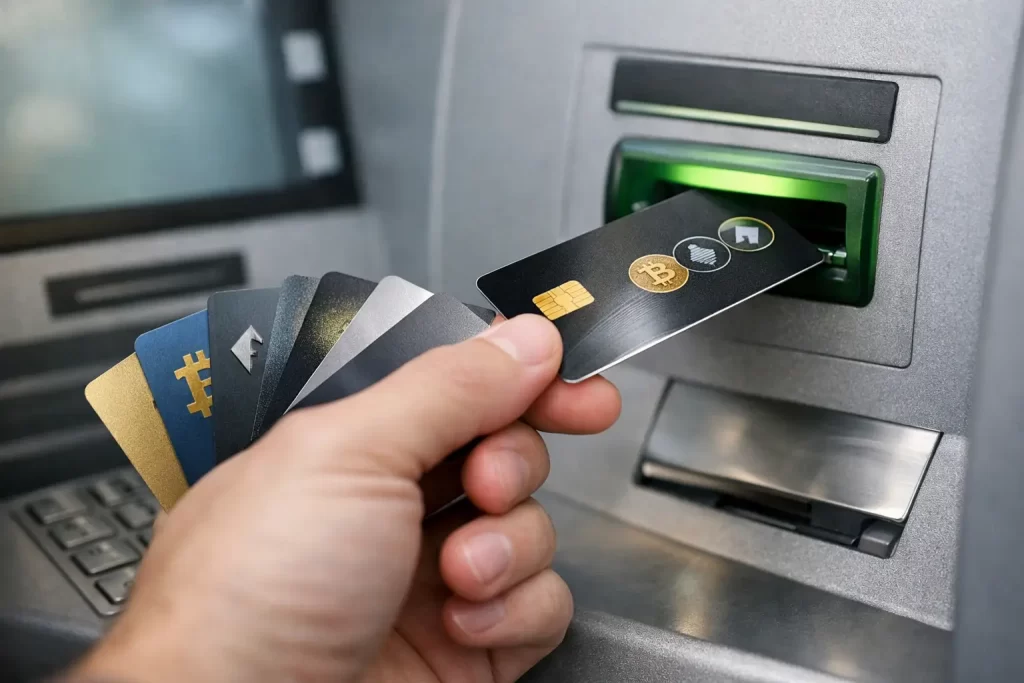
Table of Contents
What makes the best crypto cards for ATM access?
Not every crypto card is built for cash withdrawals. Some work well for online purchases but limit ATM use. Others advertise global acceptance yet bury withdrawal fees, low limits, unsupported regions, or weak compliance controls in the fine print.
The best option usually gets four things right at the same time. First, it converts crypto to fiat fast enough that using an ATM feels like using a normal debit card. Second, it has clear withdrawal limits and fees, so you are not guessing what a quick cash pull will cost. Third, it works across borders without making you jump through extra steps every time you travel. Fourth, it takes security seriously, because a card tied to digital assets should never treat risk screening, wallet controls, or authentication as an afterthought.
That last point matters more than many reviews admit. Convenience is great, but convenience without strong controls can get expensive fast.
How to compare crypto cards for ATM withdrawals
If ATM access is one of your main use cases, ignore the hype and look at how the card performs under normal pressure. Can you withdraw cash in local currency while traveling? Does the provider support stablecoins, or does it force you into volatile assets first? Are the fees flat, percentage-based, or both?
You should also check settlement logic. Some cards require preloading fiat before you spend or withdraw. Others convert your crypto balance at the point of transaction. The second model is usually simpler if your goal is speed, especially when you do not want to manually off-ramp funds in advance.
Then there is card reliability. A sleek app does not mean much if the card has patchy acceptance, poor ATM compatibility, or regular downtime. For travelers, freelancers, and remote workers, consistency matters more than flashy rewards.
The 7 best crypto cards for ATM access
1. KazePay
KazePay stands out for users who want straightforward crypto-to-fiat spending with ATM access built into the card experience, not bolted on later. The core appeal is simple: hold supported stablecoins, use a physical or virtual card, and convert at the point of purchase or withdrawal instead of managing manual cash-outs.
For people who live in USDT and USDC, that removes friction immediately. It is especially useful if you want global usability, mobile wallet compatibility, and a familiar debit card flow without giving up control of how you store value.
Where it separates itself is the security and compliance layer. Wallet address risk assessment, multi-signature controls, and multi-factor protection are not cosmetic features. They help reduce the kind of exposure that makes many crypto payment tools feel risky, especially when tied to ATM withdrawals and everyday spending.
2. Crypto.com Visa Card
Crypto.com is one of the better-known names in this category, and that visibility has helped it become a default option for many users. ATM access is available on several card tiers, and the broader card ecosystem is relatively mature.
The trade-off is complexity. Benefits, fees, and limits can vary depending on region, card tier, and whether you are willing to lock up native tokens. If your only goal is reliable ATM cash access, the rewards model may feel like extra noise rather than a real advantage.
3. Wirex
Wirex has long positioned itself as a bridge between crypto balances and traditional spending. Its card supports ATM withdrawals and everyday purchases, which makes it a practical pick for users who want one product for both travel and general payments.
The main consideration is predictability. Depending on where you live, which assets you hold, and how often you withdraw, the fee structure may be fine or may start to add up. It is a reasonable choice, but you need to check the details for your region before assuming it is cost-efficient.
4. Coinbase Card
Coinbase brings a trust advantage for users already inside its exchange ecosystem. If you keep balances there, using the card can be convenient, and ATM access is part of the value proposition.
Still, the easiest setup is not always the cheapest. Conversion spreads, asset handling, and regional limitations can influence the real cost of withdrawals. For crypto-native users who prefer self-custody or stablecoin-first spending, a card tied closely to an exchange account may feel less flexible than a dedicated spending product.
5. BitPay Card
BitPay has a strong payments reputation and a card product that works well for users who want a familiar prepaid-style structure. ATM access is part of the package, and the product is generally easy to understand.
Its limitation is that it can feel more like a traditional prepaid bridge than a modern crypto spending stack. That is not always bad. For some users, simpler is better. But if you want instant stablecoin utility, broad wallet flexibility, and a more global-first experience, you may find it less aligned with how you already use crypto.
6. Bybit Card
Bybit has expanded from trading into spending, and its card has become a real contender for users who are already active in that ecosystem. ATM support and international usability make it worth considering.
The question is whether you want your spending card closely tied to a trading platform. Some users like the all-in-one setup. Others prefer separation between active trading funds and day-to-day payment access, especially when security discipline is a priority.
7. Nexo Card
Nexo takes a slightly different angle because its card experience can intersect with borrowing and credit-style functionality depending on how you use the platform. That makes it appealing for users who want more than simple debit-style access.
For pure ATM use, though, more optionality does not always mean more clarity. If your goal is to spend stablecoins and withdraw cash with minimal friction, the extra product architecture may or may not be a benefit.
The trade-offs most people miss
The best crypto cards for ATM access are not always the ones with the loudest marketing. The strongest option for a frequent traveler might be a poor fit for someone who mostly withdraws cash domestically a few times a month. A card with higher limits may come with higher fees. A card with attractive rewards may require token staking that introduces price risk you did not want in the first place.
There is also a difference between access and reliability. Many cards can technically support ATM withdrawals. Fewer make the process feel instant, transparent, and dependable enough that you would trust it while abroad or during a busy work trip.
That is why stablecoin support matters. If your spending stack starts with USDT or USDC rather than a volatile asset, it is easier to forecast what your funds are worth before you hit the ATM. For remote workers, digital nomads, and freelancers managing cash flow across countries, that predictability is not a nice extra. It is part of the product.
Security should be part of the card decision
ATM access sounds like a payments feature, but it is also a security decision. The card touches your balances, transaction history, identity checks, and withdrawal rights. If the provider treats compliance and protection as side notes, you are absorbing more risk than you need to.
Look for practical controls: strong authentication, transparent monitoring, risk screening, and account protections that go beyond a password. A crypto card should give you financial freedom without making security feel optional.
This is where the market is maturing. The better providers are no longer selling cards as a gimmick for crypto enthusiasts. They are building real payment infrastructure that can stand up to everyday use, regulatory pressure, and customer expectations around trust.
Which card is actually best?
If you want broad brand recognition and you are already inside a major exchange or platform, cards from Coinbase, Crypto.com, or Bybit may be the easiest starting point. If you want a long-running hybrid payments product, Wirex still deserves a look. If you prefer a simpler prepaid feel, BitPay remains relevant.
But if your priority is instant stablecoin spending, real ATM usability, strong controls, and a product designed to make crypto feel spendable in daily life, a card built around secure crypto-to-fiat conversion has the strongest edge. That is where newer, more focused platforms have a chance to beat bigger names that still carry exchange-first baggage.
The right card is the one you trust when you need cash fast, not the one that looks best in a comparison table. Choose the product that gives you clear fees, reliable withdrawals, and security you do not have to second-guess.
Access Cash From Stablecoins When Banks Get in the Way
When travel plans don’t wait, your money shouldn’t either. KazePay lets you withdraw local cash from your USDT or USDC balance through supported ATMs, with real‑time conversion, clear limits, and visible fees.
No exchange delays. No bank bottlenecks. Just cash access when you need it.
👉 Sign up for KazePay and turn stablecoins into usable cash worldwide.