Your card works great right up until you need to move money from crypto to everyday spending. That gap is exactly why a physical crypto debit card review matters. If you hold USDT or USDC and want to pay for coffee, flights, software, groceries, or an ATM withdrawal without juggling exchanges and bank transfers, the card itself is only half the story. The real question is whether the whole system behind it is fast, secure, and dependable when you actually need it.
For most users, a physical crypto card is not about novelty. It is about speed, control, and access. You already have value sitting in stablecoins. You do not want to manually off-ramp every time rent is due or when you land in another country. You want to tap, insert, withdraw cash if needed, and move on. That is the standard.
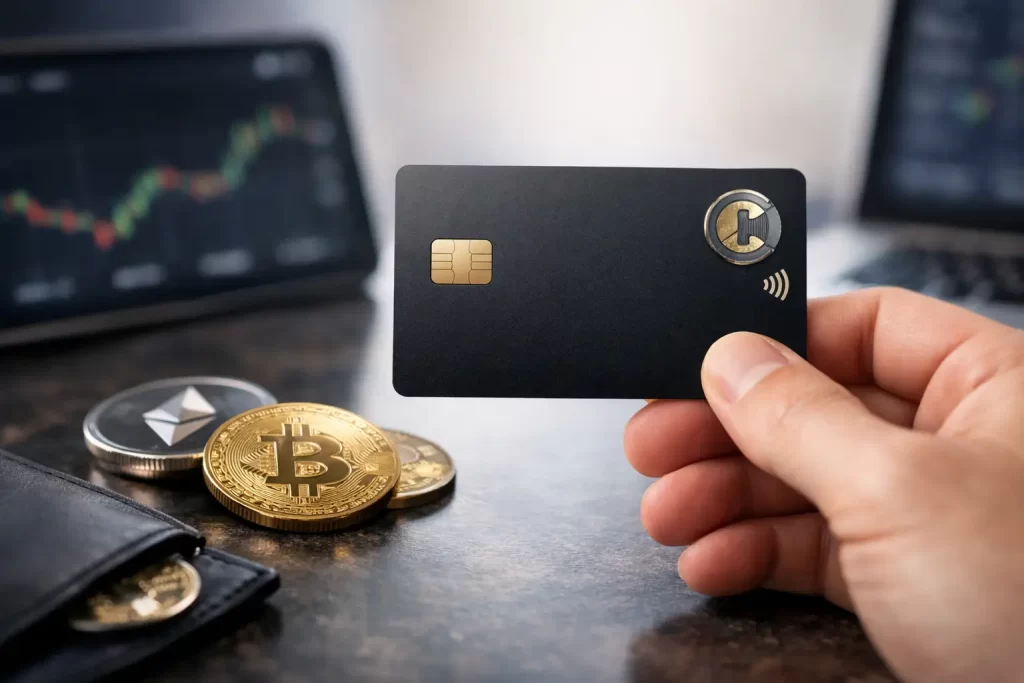
Table of Contents
What a physical crypto debit card review should actually cover
A lot of reviews get distracted by branding, metal finishes, or whether the packaging feels premium. None of that matters if conversion is slow, fees are vague, or the issuer freezes activity because the compliance stack is weak. A useful physical crypto debit card review has to focus on daily-use performance.
Start with the conversion model. Some cards require preloading fiat before spending. Others convert crypto at the point of purchase. That difference matters more than it sounds. Point-of-sale conversion is usually better for active stablecoin users because it cuts out extra steps. If your balance is already in USDT or USDC, the best experience is direct spending with real-time conversion when the transaction happens.
Then look at merchant acceptance. A card can call itself global, but what matters is whether it runs on established payment rails and works where normal debit cards work. That includes in-store terminals, online checkout pages, and cash withdrawals where allowed. Mobile wallet support also matters because plenty of people now pay with phones more often than plastic.
Security is the next filter, and this is where many products start to separate fast. If a provider talks about convenience but says almost nothing about wallet risk screening, transaction controls, multi-signature wallet security, or multi-factor authentication, that is a red flag. Crypto spending products sit at the intersection of digital assets and traditional payments. That means the security stack cannot be an afterthought.
The biggest decision: spending utility versus crypto complexity
Most crypto holders do not need more complexity. They need a product that feels as immediate as a standard debit card while still respecting how crypto works. The strongest physical crypto cards succeed because they reduce friction. Sign up quickly, fund with supported assets, spend in fiat without manual conversions, and track activity in real time.
That is especially valuable for remote workers, freelancers, and travelers. If your income, savings, or operating float lives in stablecoins, every extra conversion step creates delay and cost. A physical card gives you a familiar form factor for real-world spending. The physical piece still matters because not every merchant supports tap-to-pay perfectly, and not every situation is digital-first. Hotels, transit kiosks, restaurants, and cash access still make physical cards relevant.
The trade-off is that simplicity on the front end requires serious infrastructure on the back end. If the issuer does not manage compliance well, users can run into avoidable disruptions. If the custody and authorization controls are weak, convenience becomes risk. Good products make the complexity invisible without pretending it does not exist.
Physical crypto debit card review: the features that matter most
The first feature to judge is supported assets. For spend-focused users, stablecoins are usually the practical choice. USDT and USDC remove a lot of the volatility problem that comes with using more speculative assets for daily purchases. If a card is designed around stablecoin spending, it is usually better aligned with real payment behavior, not just crypto marketing.
The second is transaction speed. Spending should feel immediate. If conversion lags or authorizations fail often, the card stops being useful fast. This is one reason the best platforms emphasize instant or real-time processing. Users do not care about technical architecture during checkout. They care that the payment goes through.
Third is transparency around fees. There is no such thing as a meaningful card review without understanding issuance costs, ATM charges, FX treatment, inactivity policies, and spending-related fees. Low advertised fees can still hide expensive edge cases. For people who travel or spend globally, foreign transaction handling becomes especially important.
Fourth is geographic reach. A strong card product should support broad international usage, not just a handful of core markets. This is where globally mobile users need more than a domestic fintech card. If you move between countries often, card acceptance, ATM access, and cross-border reliability matter more than rewards gimmicks.
Fifth is account controls. The best experience combines quick access with clear safeguards. That means features like multi-factor authentication, transaction visibility, wallet protections, and risk monitoring. A platform such as KazePay leans into this directly by pairing stablecoin spending with wallet address risk assessment, multi-signature controls, and 2FA. That matters because trust in crypto payments is built on concrete defenses, not slogans.
Where physical crypto cards usually fall short
The weak point for many providers is not the card. It is the operational layer around it. Users run into slow onboarding, vague compliance requests, limited support, or poor communication when transactions are flagged. A card product aimed at serious everyday use needs strong screening and clear processes from the start.
Another common issue is overpromising on acceptance. “Use crypto anywhere” sounds great, but the reality depends on card network support, region, merchant category, ATM compatibility, and issuer policies. Most users should expect broad acceptance, not universal perfection. That is a more honest standard and a better way to judge reliability.
There is also the custody question. Some users want a card connected to a controlled balance with spending protections. Others want deeper self-custody features or more direct wallet interactions. Neither preference is wrong, but they serve different use cases. If your top priority is frictionless spending, convenience and compliance may matter more than maximizing wallet flexibility.
Who benefits most from a physical crypto debit card
This product makes the most sense for people who already think in stablecoin balances. If you are a freelancer paid in USDC, a traveler managing expenses across borders, or a remote worker moving between currencies, a physical crypto card can remove a lot of wasted motion. You do not need to cash out in batches and guess how much fiat to keep in a bank account. You spend as needed.
It also works well for crypto-native users who want a practical payment tool instead of a speculative app experience. The card turns held value into spending power in a format merchants already understand. That familiarity matters. Mainstream adoption does not happen because everyone wants new payment behavior. It happens when crypto fits into the behavior people already have.
The product is less compelling for users who rarely spend from crypto, hold mostly volatile assets, or prefer to convert manually to optimize timing. In those cases, the convenience may not outweigh the card’s fees or account requirements. That is not a flaw. It just means fit matters.
How to judge whether a card is worth using
Ask a simple set of questions. Can you fund it with the assets you actually hold? Does spending convert in real time? Are the fees plain enough that you can predict costs before using it? Is the security model specific and credible? Will it work where you live and where you travel?
If those answers are yes, the card is doing its job. If the provider cannot give clear answers, that is the review.
A strong physical crypto debit card should feel boring in the best possible way. It should let you spend stablecoins with speed, confidence, and global reach while keeping security tight behind the scenes. When that balance is right, crypto stops feeling like something you need to exit first and starts acting like money you can actually use.
Get a Physical Crypto Card That Holds Up in Real Life
A physical card only matters if the system behind it works. KazePay turns your USDT or USDC into everyday spending — coffee, flights, groceries, subscriptions, or ATM cash — with real‑time conversion, strong security, and predictable approvals.
No exchange hops. No waiting on banks. Just a card that works when you need it.
👉 Sign up for KazePay and put stablecoin spending in your pocket.